HongKong
Ideas for your trip to HongKong
Every itinerary is created by a Kensington Destination Expert based on your specifications. With their expert planning and first-hand, local knowledge they make sure every detail is looked after, while you get to enjoy a personalized trip to Kenya.
Hongkong Tour by Themes
Explore these sample Beijing tours in different themes. Such as the Great Wall tour, foodie tour, and more. If you have a specific theme in mind, let us know, and our Beijing travel expert will design a personalized trip just for you.
Popular China Tours Including Hongkong
Explore our selection of popular China tours that including Beijing. From the Terracotta Warriors in Xi’an to the beautiful landscapes of Guilin, we specialize in crafting the perfect tour to ensure your China trip is truly memorable.
Hongkong Travel FAQs
Passport holders from about 170 countries, including the United States, Canada, and Australia, enjoy visa-free entry into Hong Kong for a period ranging from 7 days to 180 days. To get up-to-date information based on your specific nationality and circumstances, you can check with the nearest Chinese embassy or consulate or visit the official website of the Hong Kong Immigration Department.
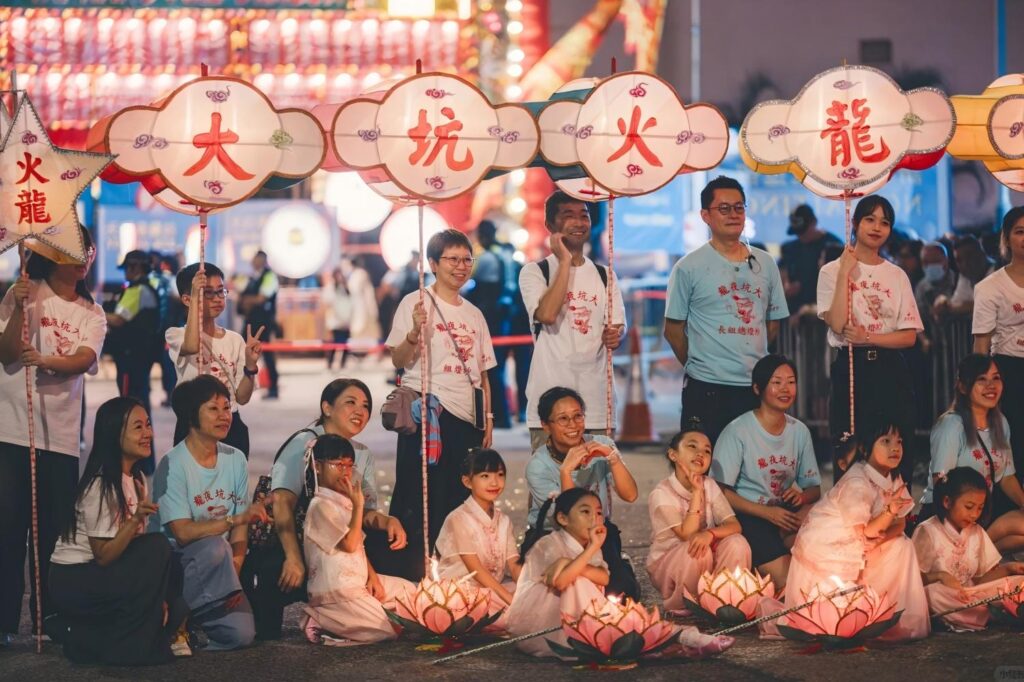
Hong Kong is an attractive destination throughout the year. The optimal time to visit is usually during the autumn months from September to November, when the weather is delightful with lower humidity, clear skies, and comfortable temperatures, perfect for outdoor activities and sightseeing. Additionally, from late December to February, Hong Kong becomes a vibrant hub for festive celebrations, including Christmas, New Year’s, and the Spring Festival.
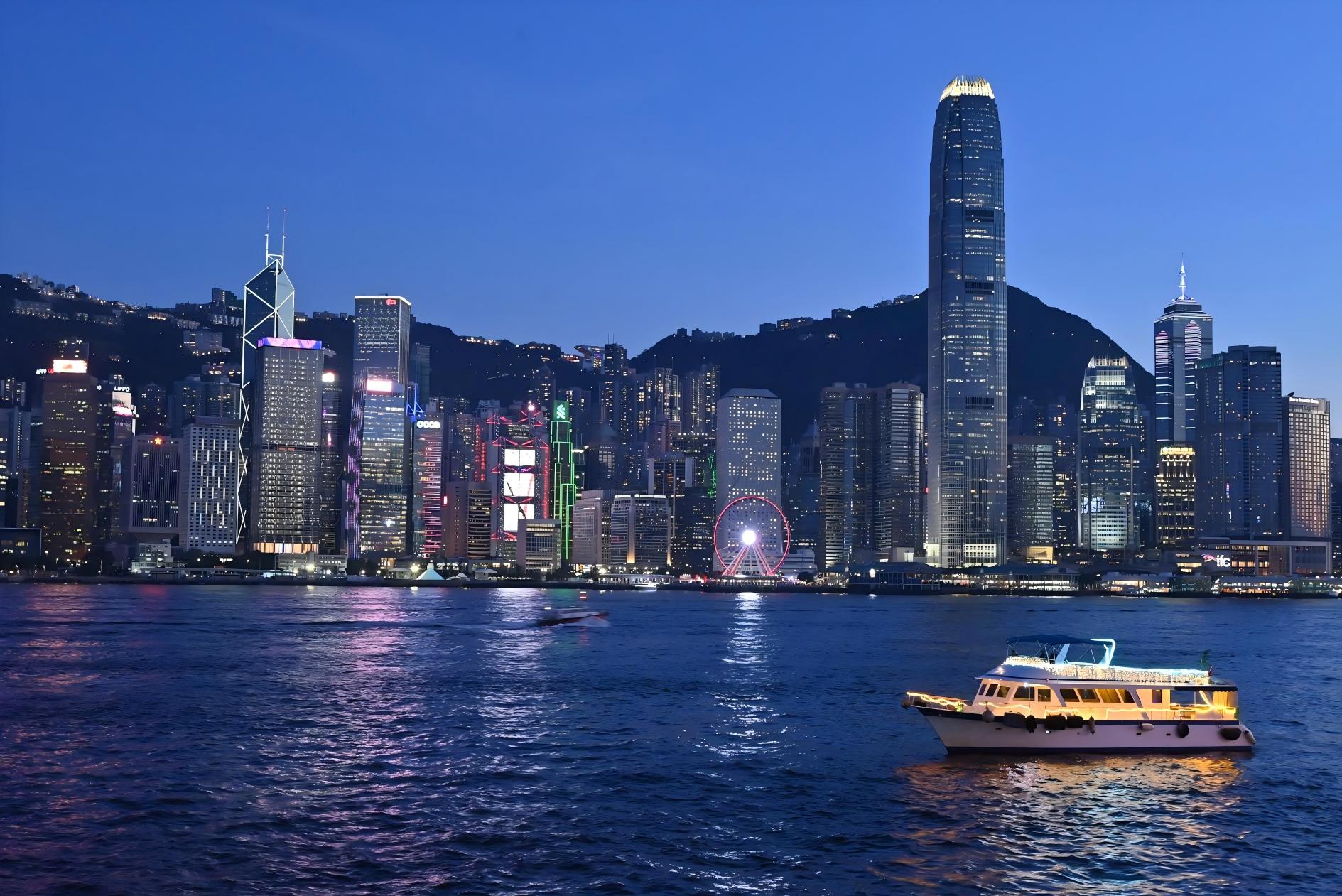
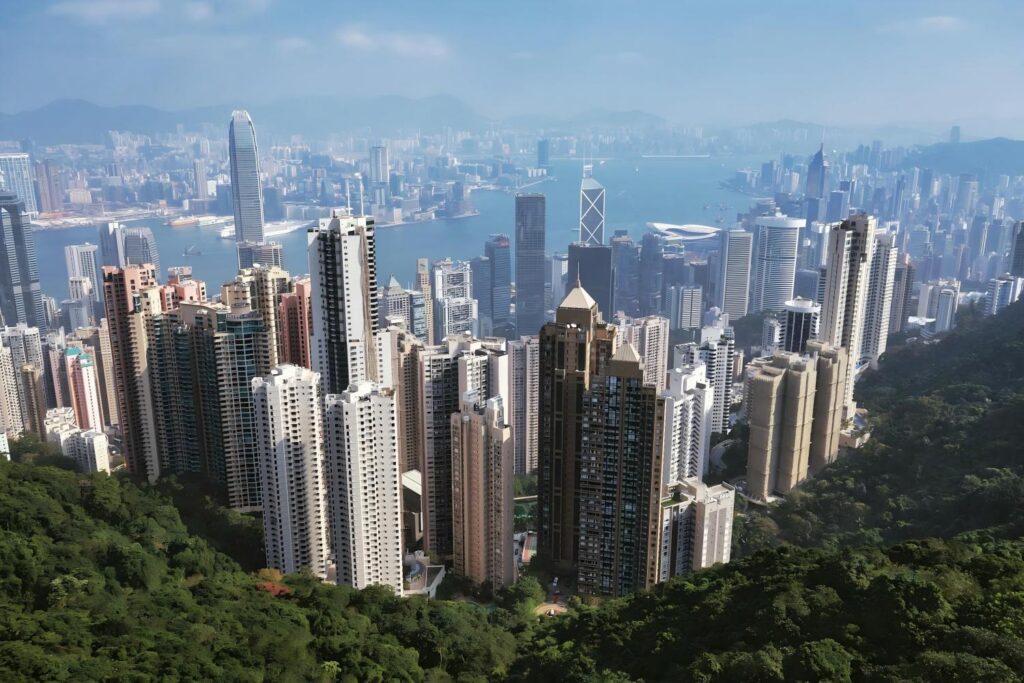
Popular attractions in Hong Kong include Victoria Peak for stunning city views, the historic Peak Tram for a unique journey up to the highest point on Hong Kong Island, Victoria Harbor for its iconic skyline, Tian Tan Buddha for religious culture, Hong Kong Disneyland for family fun, Wong Tai Sin Temple for fortune telling, Repulse Bay for its beautiful sandy beach, and the bustling Ladies’ Market for shopping.
Once in Hong Kong, the most efficient way to get around is by using the easy-to-navigate Mass Transit Railway (MTR) system, which covers most city areas. Buses and trams are also good options for reaching destinations not served by the MTR, and taxis are readily available, though they can be more expensive, especially during peak hours or late at night.
There are several ways to get to Macau from Hong Kong:
- Ferry: Ferries between Hong Kong and Macau operate frequently at several terminals in Hong Kong Island (Sheung Wan and Central) and Kowloon (Tsim Sha Tsui).
- Cross-Border Bus: Cross-border buses run between Hong Kong and Macau, departing from major hubs like Hong Kong Airport and Tsim Sha Tsui.
- Helicopter: Some companies offer helicopter services between Hong Kong and Macau, providing a quick and scenic way to travel.
For most travelers, taking a ferry is the preferred choice due to its convenience, frequent departures, and accessibility from multiple locations in Hong Kong.
Transportation between Hong Kong and mainland China is facilitated through several modes:
- Train: The Guangzhou-Shenzhen-Hong Kong Express Rail Link (XRL) connects Hong Kong to mainland China’s high-speed rail network. High-speed trains depart from Hong Kong West Kowloon Station to cities like Guangzhou, Shenzhen, and beyond.
- Air: Flights connect Hong Kong to major mainland Chinese cities such as Beijing, Shanghai, Chengdu, and Xi’an with frequent daily services.
- Ferry: Ferry services operate between Hong Kong and several ports in mainland China, including Shenzhen, Zhuhai, and Guangzhou.
- Hong Kong-Zhuhai-Macau Bridge: This bridge provides a road link connecting Hong Kong with Zhuhai and Macau, facilitating travel by bus, car, or taxi between these destinations.
These transportation options provide convenient and efficient travel between Hong Kong and mainland China, catering to business and leisure travelers.
Hong Kong is famed for a vibrant culinary scene blinding traditional Cantonese cuisine with international flavors. Some must-try foods include dim sum (try Tim Ho Wan or Lin Heung Tea House), wonton noodles (Mak’s Noodle or Ho Hung Kee), roast meats (sample roast goose at Yat Lok or roast pork at Joy Hing Roasted Meat), egg tarts (Tai Cheong Bakery or Hoover Cake Shop), and pineapple buns (Kam Wah Cafe or Honolulu Coffee Shop).
For tourists visiting Hong Kong, popular areas to stay include:
Central: The heart of Hong Kong Island, perfect for shopping, dining, and nightlife, with easy access to Victoria Peak and the waterfront.
Tsim Sha Tsui (TST): Located in Kowloon, this area offers stunning views of the Hong Kong skyline, diverse dining options, and proximity to major attractions like the Avenue of Stars.
Causeway Bay: A bustling area on Hong Kong Island known for shopping, dining, and entertainment options.
Mong Kok: This buzzing area in Kowloon, teeming with vibrant street markets and food stalls, is great for budget travelers and experiencing local culture.
The local currency in Hong Kong is the Hong Kong Dollar (HKD), which is commonly represented by the symbol “$” or “HK$” to distinguish it from other dollar-denominated currencies. You can exchange money conveniently at the Hong Kong International Airport, major banks such as HSBC and Standard Chartered, money changers, hotels, and some convenience stores.
Visitors to Hong Kong do not need to worry about the language barrier. Cantonese, English, and Mandarin are the main languages in Hong Kong. Cantonese is the most commonly used language for daily communication, local media, and cultural expressions.
English is widely employed in government, business, and education, and can frequently be seen on signs, menus, and public announcements. And you will have an English-speaking tour guide when traveling with China Odyssey Tours. Additionally, almost all hotel staff are proficient in English, ensuring a smooth and enjoyable stay.
While increasingly present in education and business, Mandarin is also growing in use within media and official contexts.
Hong Kong uses the same voltage (220V) and plug type (British-style three-pin plugs) as in the UK. If your devices are compatible with these specifications, you should have no problem using them in Hong Kong. However, if your devices are from a country with different voltage or plug types, you may need a voltage converter and/or plug adapter.
Hong Kong is generally safe for tourists. Violent crime rates are low, and the city has efficient law enforcement. However, as with any destination, it’s wise to stay alert in crowds to protect your valuables. It’s advisable to avoid areas where civil unrest occurs, as these situations can be unpredictable.
Ensure your passport is valid for at least one month beyond your intended stay. Generally, you should also provide proof of onward/return travel and sufficient funds to support your stay without working locally. For the entry requirements to mainland China,
Hong Kong offers various payment methods, including credit cards, debit cards, mobile wallets, and cash:
Credit cards are widely accepted in Hong Kong. Visa and Mastercard can be used in more situations than American Express.
Mobile wallets are also useful when traveling to Hong Kong. Alipay, PayMe, Octopus Card, FPS, Apple Pay, WeChat Pay, and PayPal are some of the options to use.
Octopus cards are one of the most common physical payment methods in Hong Kong. Travelers can buy it in most stores, and the remaining value and deposit can be refunded when departure from Hong Kong.
Cash is for street food, and some local markets, emergency circumstances. Another advantage is there is no processing fee if you use cash.
The official claims that tap water can be drunk directly if the plumbs are maintained well. We suggest you not drink tap water directly but purchase bottles of water to drink during your tour.
It is recommended that you bring comfortable shoes. You will undoubtedly be doing a lot of walking, so comfortable shoes are a must. Sunscreen is recommended, as well as carrying bottled water with you. If you wish to visit the beaches of Repulse Bay, don’t forget your swimsuit. If you are a photography lover, do not forget your camera, film, and batteries, or you will never forgive yourself. An umbrella is also recommended for those unexpected showers. For more details.
Top Places to Visit in Hongkong
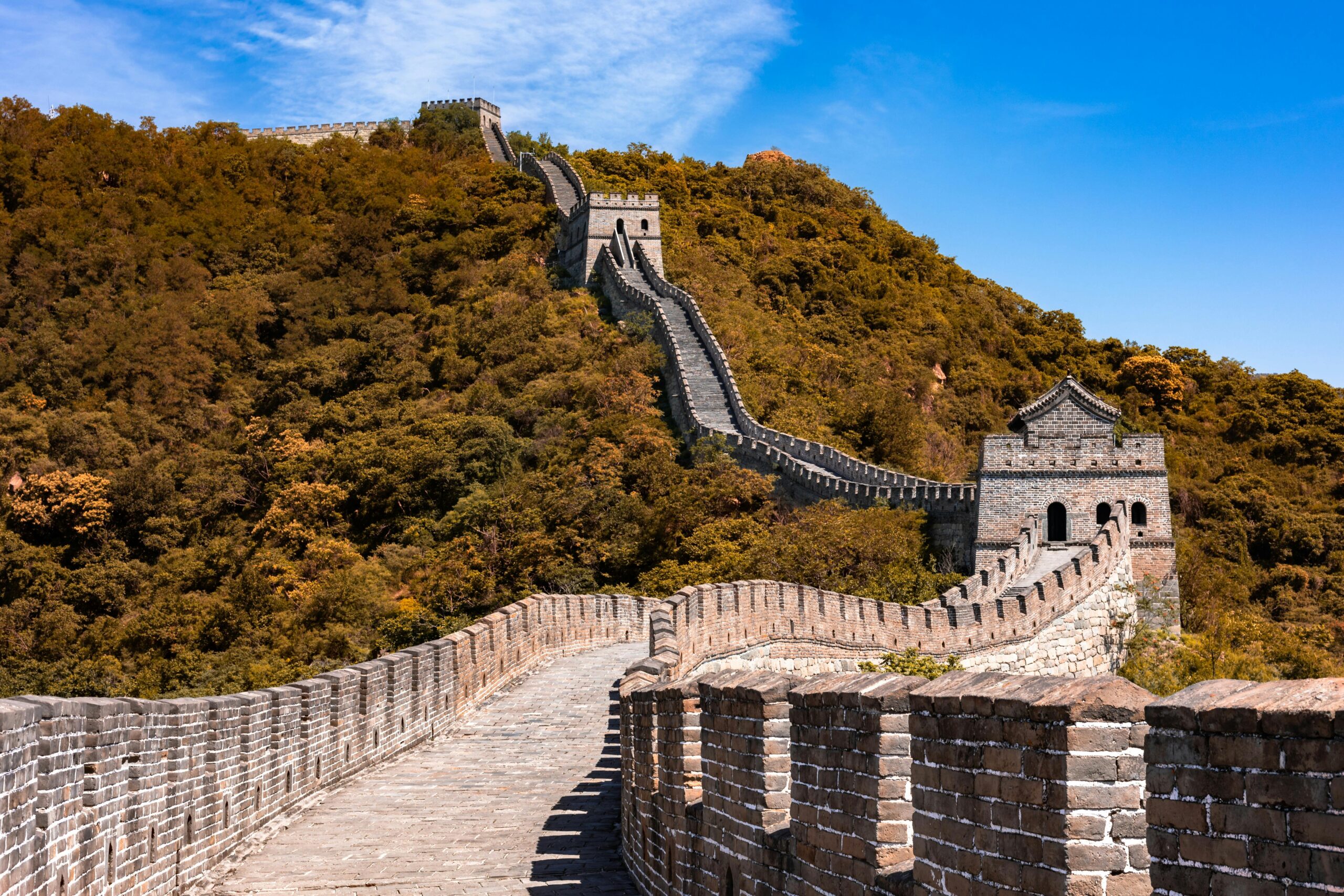
GREAT WALL OF CHINA

Plan Your First Trip to China 2026: 10 Things to Know
Planning a trip to China can feel overwhelming. It’s a vast and diverse country, but that also means there’s a

Top 12 Things to Do in Chengdu: Pandas, Hotpot & Local Life
Visit the iconic city of Chengdu, in the Sichuan province, and you’ll walk away with a new appreciation for Chinese
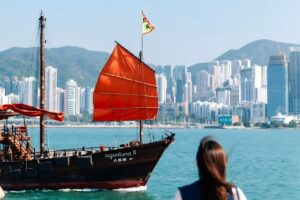
Hong Kong 2026: Must-Do Experiences & Hidden Gems
Experience the best of both worlds in Hong Kong – a captivating fusion of traditional Chinese heritage and modern international

Xi’an Unlocked: Must-See Sights & Local Secrets
Did you know Xi’an – not Beijing – marks China’s true geographic center? As the ancient capital of multiple dynasties
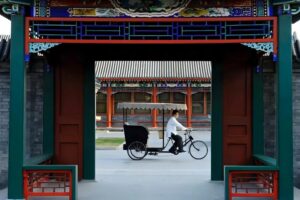
Beijing 2026 Travel Guide: Best Seasons, Festivals & Monthly Tips
Choosing the perfect time for your Beijing trip is key to an unforgettable journey. While the city welcomes visitors year-round,

The Ultimate Guide to Visiting Shanghai in 2026: Best Seasons & Travel Tips
Planning your Shanghai adventure? The first step is choosing when to go. While the city dazzles year-round, the perfect windows for